
In today’s digital-first world, your website is often the first impression people have of you or your business. Whether you’re running an e-commerce store, blogging, or offering professional services, a well-designed and user-friendly website can make or break your success. Here are some essential website tips to help you build, manage, or improve your online presence.
1. Prioritize Mobile Responsiveness
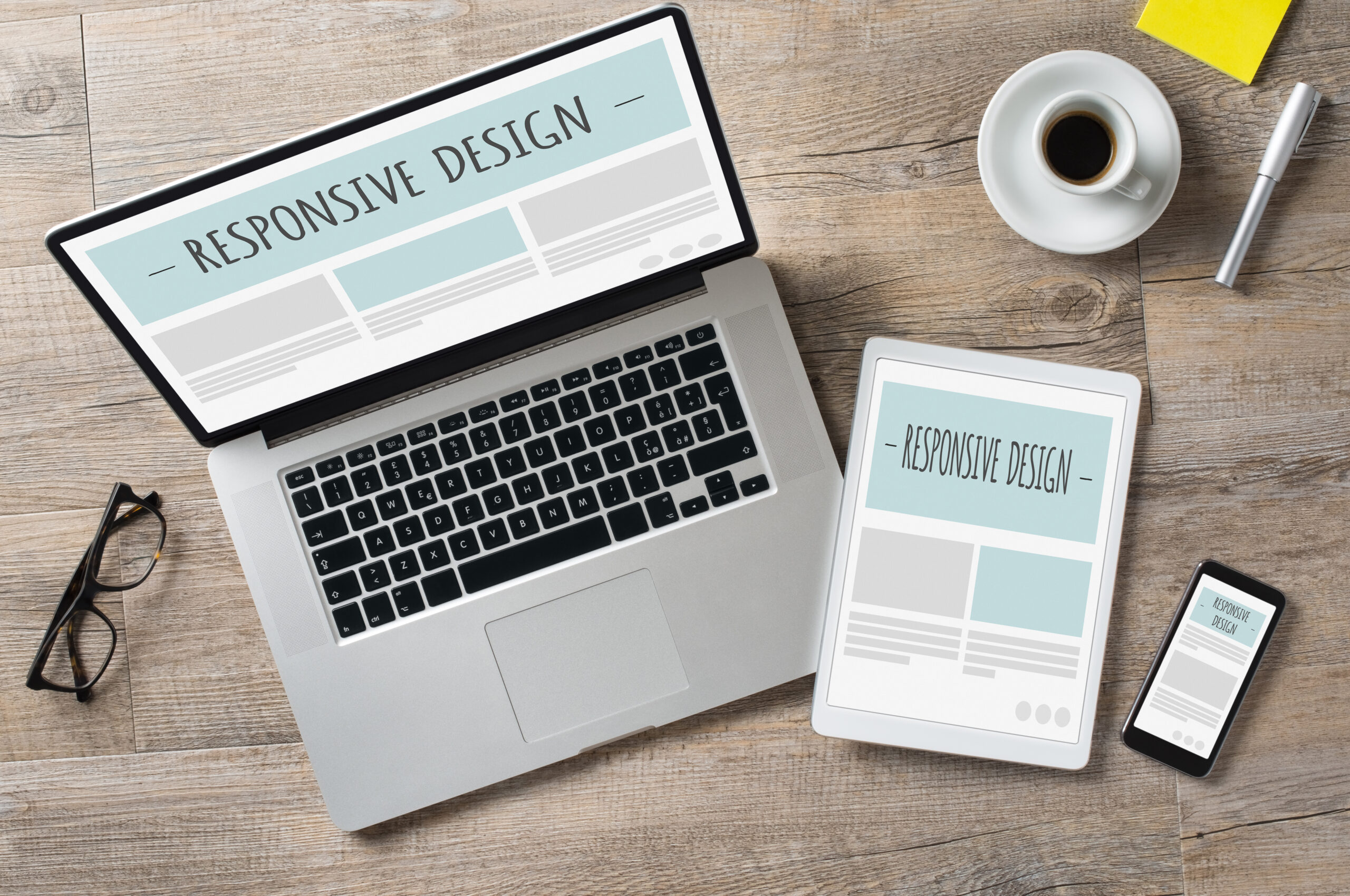
More than half of all web traffic comes from mobile devices. If your website doesn’t load properly on smartphones or tablets, you could be turning away a huge portion of your audience. Use responsive design to ensure your site adjusts smoothly to different screen sizes and devices.
2. Keep It Simple and Clean
A cluttered website can confuse visitors. Use a clean layout with plenty of white space. Limit your color palette and use readable fonts. A minimalist design helps users focus on your message and makes navigation easier.
3. Use Clear Navigation
Visitors should be able to find what they need within a few clicks. Use a clear and consistent menu structure. Include key pages like “Home,” “About Us,” “Services,” “Contact,” and a blog or FAQ section. A search bar is also a helpful feature for larger sites.
4. Speed Matters
A slow website leads to high bounce rates. Compress images, enable browser caching, and use a reliable hosting provider. Tools like Google PageSpeed Insights or GTmetrix can help you identify and fix performance issues.
5. Focus on Quality Content
Your content should be engaging, informative, and regularly updated. High-quality content not only builds trust with your audience but also helps improve your search engine rankings. Use headlines, bullet points, and short paragraphs to make content easy to scan.
6. Optimize for SEO
Search Engine Optimization (SEO) is key to getting found online. Use keywords naturally in your titles, headers, and content. Add meta descriptions and alt text to images. Install tools like Yoast SEO (for WordPress) to guide your optimization efforts.
7. Make Contact Easy
Every website should have a visible and easy-to-use contact section. Include a contact form, phone number, email address, and even a map if you have a physical location. Responsive customer service builds trust and encourages inquiries or sales.
8. Secure Your Website
Use HTTPS with an SSL certificate to ensure your site is secure. This not only protects user data but also boosts your credibility. Security is especially important for sites that handle sensitive information or payments.
9. Use Clear Calls to Action (CTAs)
Guide your visitors to take the next step—whether it’s signing up for a newsletter, booking a service, or making a purchase. Use bold buttons and action-oriented language like “Get Started,” “Learn More,” or “Contact Us Today.”
10. Test and Update Regularly
A good website is never truly “finished.” Regularly test for broken links, outdated content, or poor design elements. Use analytics tools to monitor user behavior and adjust accordingly.
Final Thoughts
Your website is one of your most powerful tools for communication, marketing, and growth. By following these simple tips, you can create a professional, user-friendly experience that keeps visitors engaged and coming back for more.